 ShellyShelly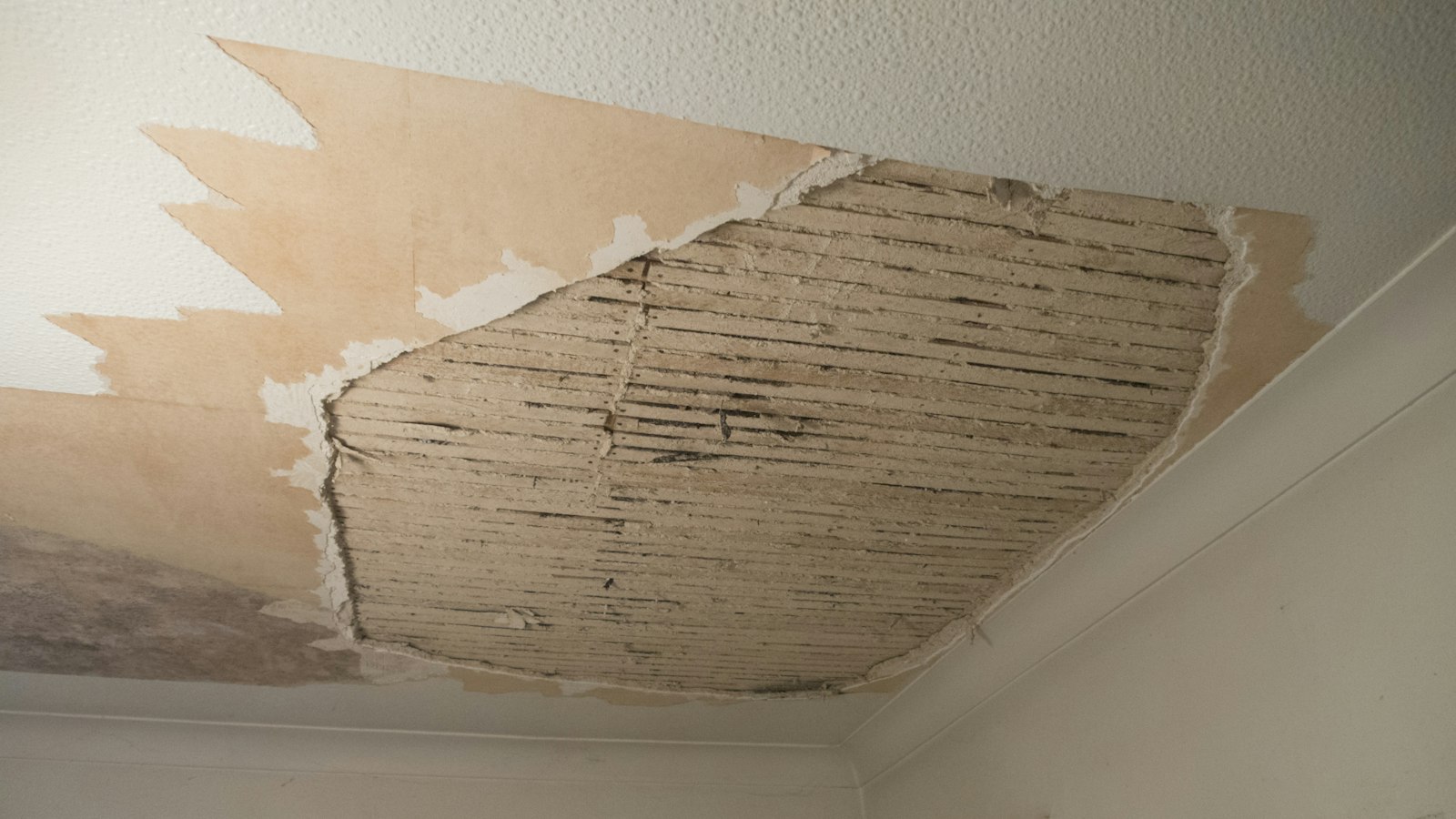
Who this is for
Water does not burst in. It seeps. A hose clip loosens. A seal under the sink gives up. A pipe joint behind the washing machine starts to weep.
Then it runs. For as long as nobody is looking. And in most homes, nobody is looking at the back of the washing machine for hours at a time.
The whole subject of home floods comes down to one number. Not how much water. How long before someone knows. Cut that number and the flood is a mop. Leave it and the flood is a claim.
This is a guide to cutting it. What fails, where, and what to put there.
Germany alone logs about 1.1 million tap-water claims a year. Not storms. Not rivers. Taps, hoses and pipes, inside the home.
They are the most common home insurance claim in Europe and the average one costs a few thousand euros, most of it drying and rebuilding rather than the leak itself.
Nearly all of them started as a drip that ran unseen. The damage is a function of time, not of water.
Here is where they start, and what to do about each one.
There are three places. Under the sink. Behind the appliances. Inside the wall.
Everything else is rare. Those three are where the seals, the hoses and the joints live, and they fail on a schedule that has nothing to do with whether you are home.
Watch those three points and you have watched the house. It costs 72.60 euros and about half an hour.
Here is what goes where.
Ask a plumber or a loss adjuster and they will give you the same list. It is short.
The trap, the flexible hoses, the dishwasher feed. All of it under a cupboard door that opens twice a day. A weeping joint here can run for a week into a chipboard base before it shows on the floor.
Washing machine and dishwasher inlet hoses fail more than anything else in the house. They are rubber under mains pressure, they get pushed against a wall, and a clip that loosens by a millimetre lets go the next time the machine fills. That is a full-bore leak, and nobody is behind the machine to see it.
The slow one. A joint under the bath or a pipe in the wall weeps for weeks. Nothing reaches the floor. The plasterboard gets soft, the skirting swells, and by the time there is a stain the wall has to come off.
The insurer will pay for the drying. Nobody pays you for the three weeks you spend with a dryer roaring in the kitchen and the floor up.
A message on your phone is the whole job for two of the three points. The sink cupboard and the wall are slow. You get the message, you go and look, you turn a tap. Done.
The appliance hose is different. It is a full-bore leak, and if it lets go while you are at work, the message tells you your kitchen is under water and there is nothing you can do from the office.
For that one, the answer is a valve on the main supply that closes the moment a sensor gets wet. It is a separate device, it sits after the stopcock, and most people have a plumber fit it. It is not in the kit on this page. It is the step after it, and it is offered to you once you have the sensors.
Sensors first, valve second. The sensors are what tell the valve to close. Without them the valve is a tap you have to reach.
Three points, three different tools. A single puck on the floor covers one of them.
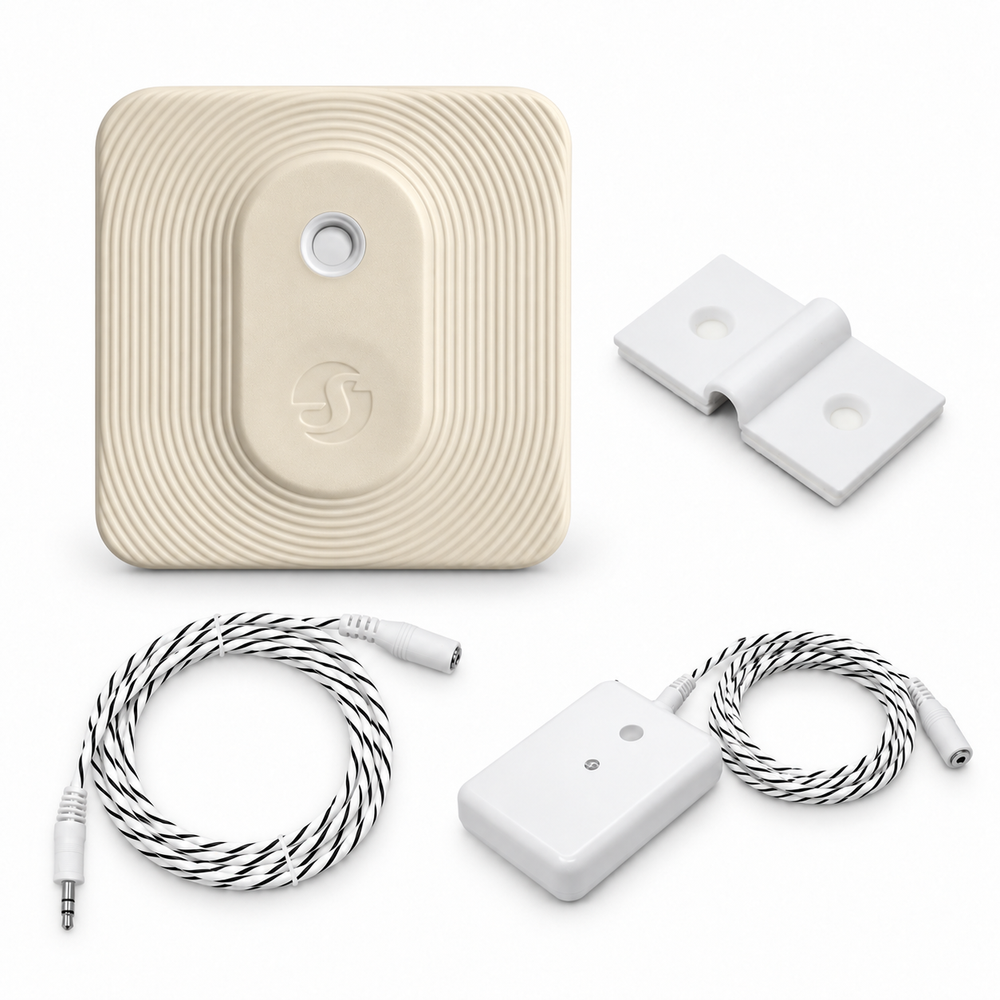
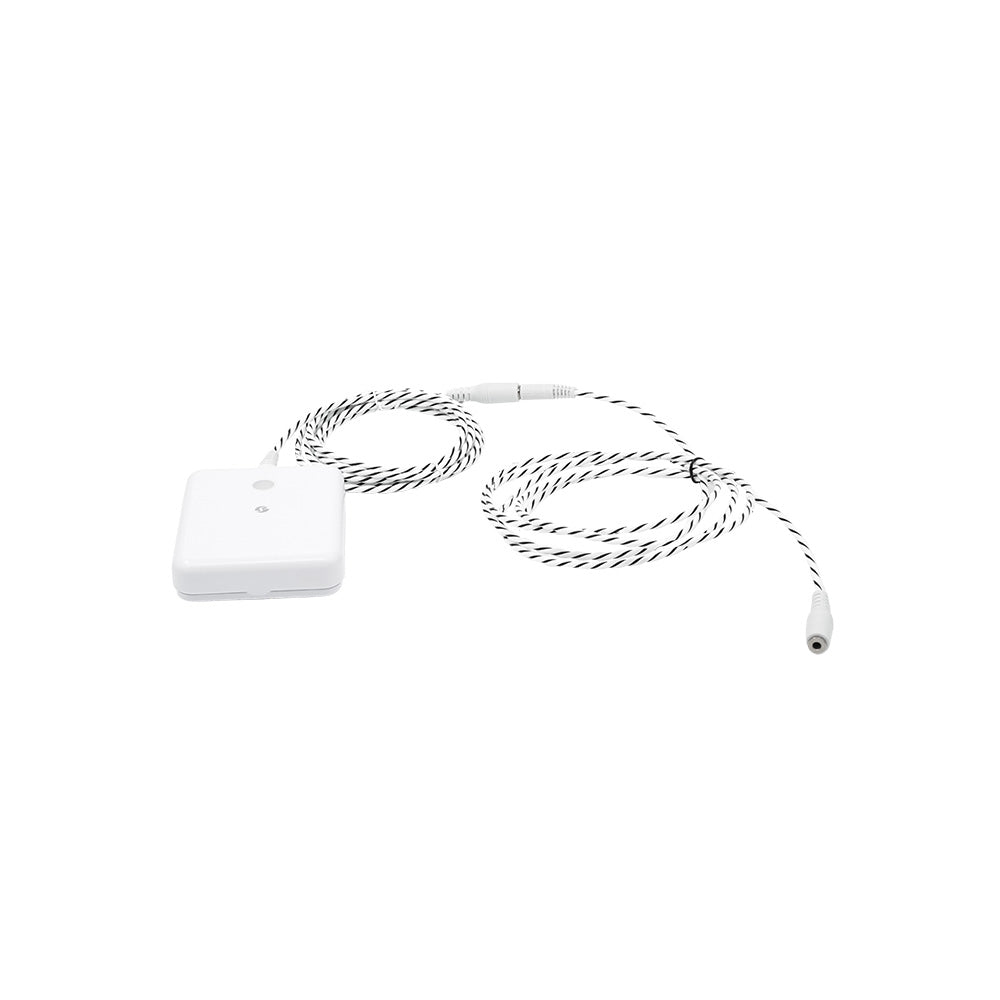
The Flood Gen4 sits flat. Its contacts are on the underside. The moment they are wet it sounds and messages you. The battery lasts years.
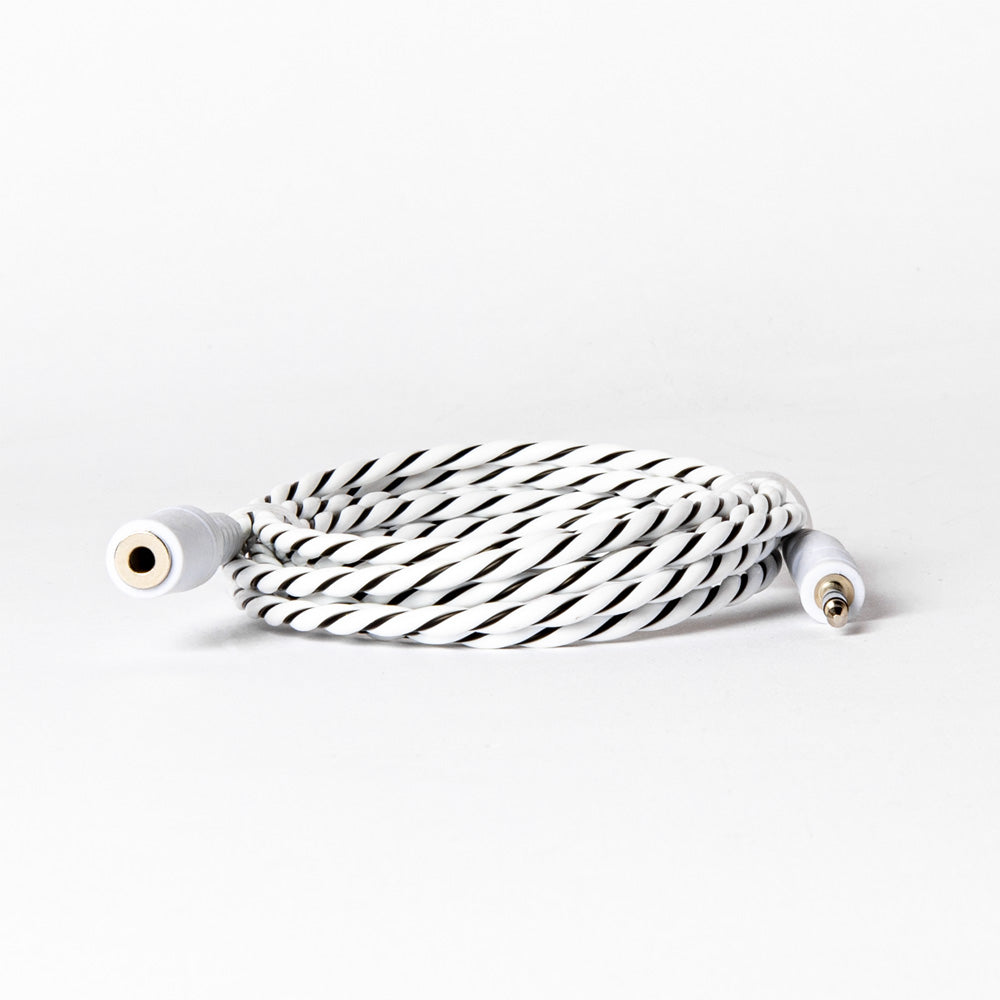
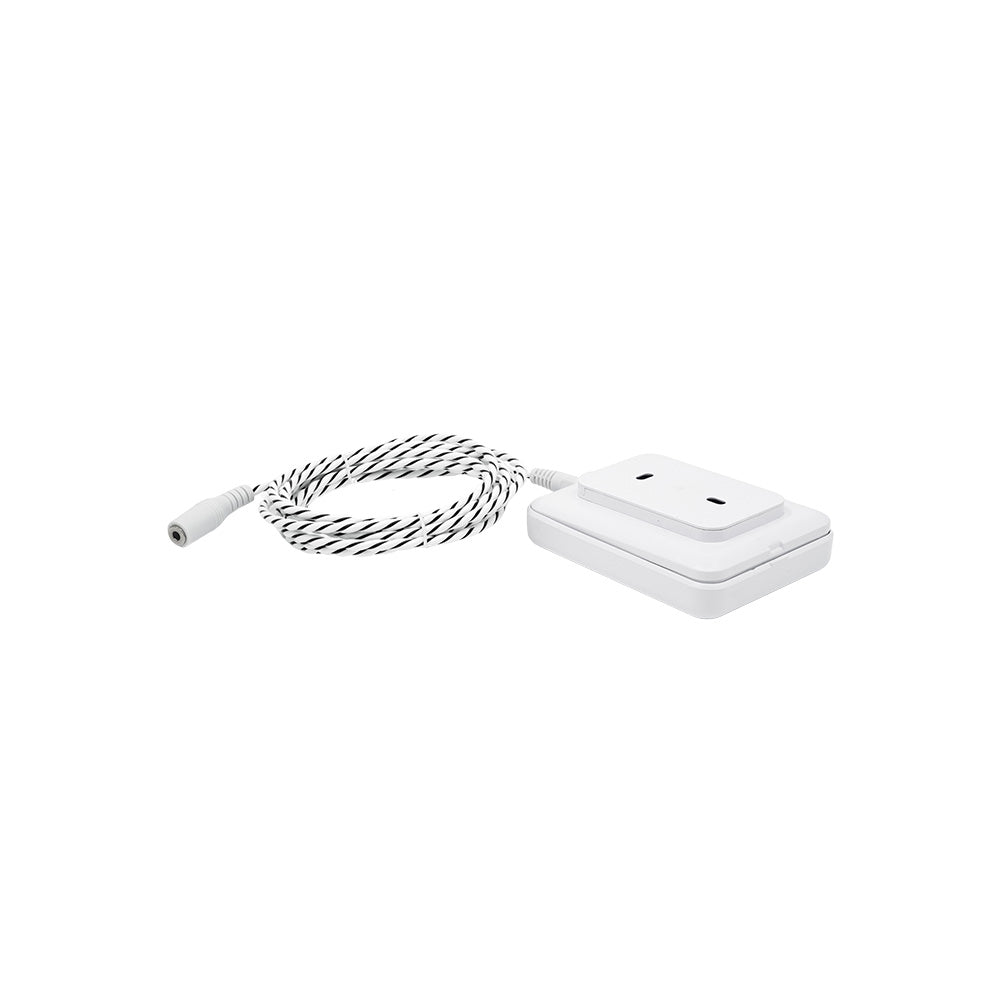
The cable senses water anywhere along its length. It plugs into the floor sensor and runs behind the washing machine, along the dishwasher feed, under the boiler. The brackets keep it where you put it.
The BLU H&T ZB reads humidity every few minutes. A wall that is slowly getting wet pushes the number up weeks before anything reaches the floor, and the app shows the climb.
It tells you. If the leak is fast and you are away, telling you is not enough. That is the valve, and it comes after this.
You are at work. At 10:42 the phone buzzes. Flood Gen4, Kitchen: water detected. The sensor in the kitchen is also sounding, so if anyone is home they hear it.
You ring whoever is nearest. Or, with the valve fitted, you do nothing, because the water was already off at 10:42 and 3 seconds.
What the app log looks like with the valve fitted. Without it, the second line is missing and the water runs until the fifth.
It catches the first litre. A burst inlet hose delivers about ten litres a minute. The tray is full inside ten seconds and then it is a tray in a puddle.
Good habit, and it does nothing about the other fifty weeks. Most hose failures happen on an ordinary Tuesday.
Useful if you are home. Silent to you if you are not. A sensor that beeps and messages is the same price. A sensor that also closes the valve is the next step.
Sensible, and the seal under the sink was not part of the plan. It also does nothing for the wall.
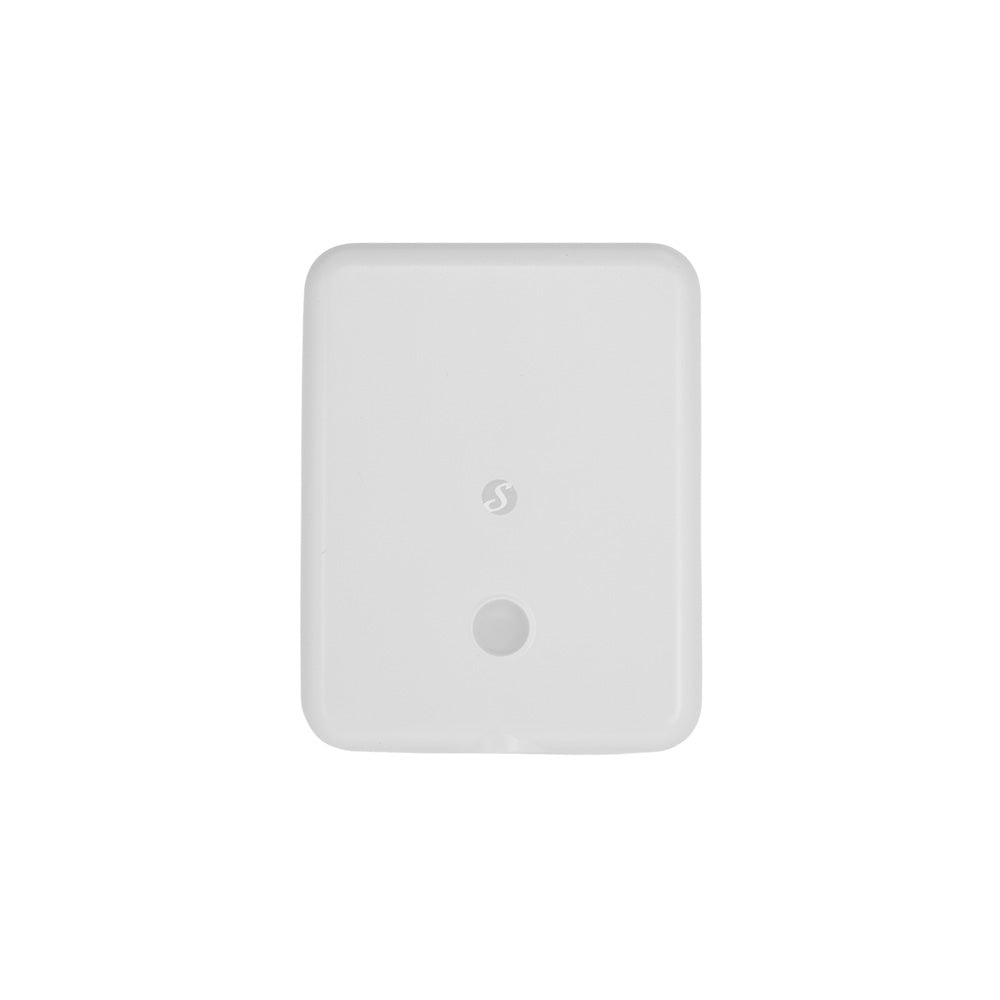
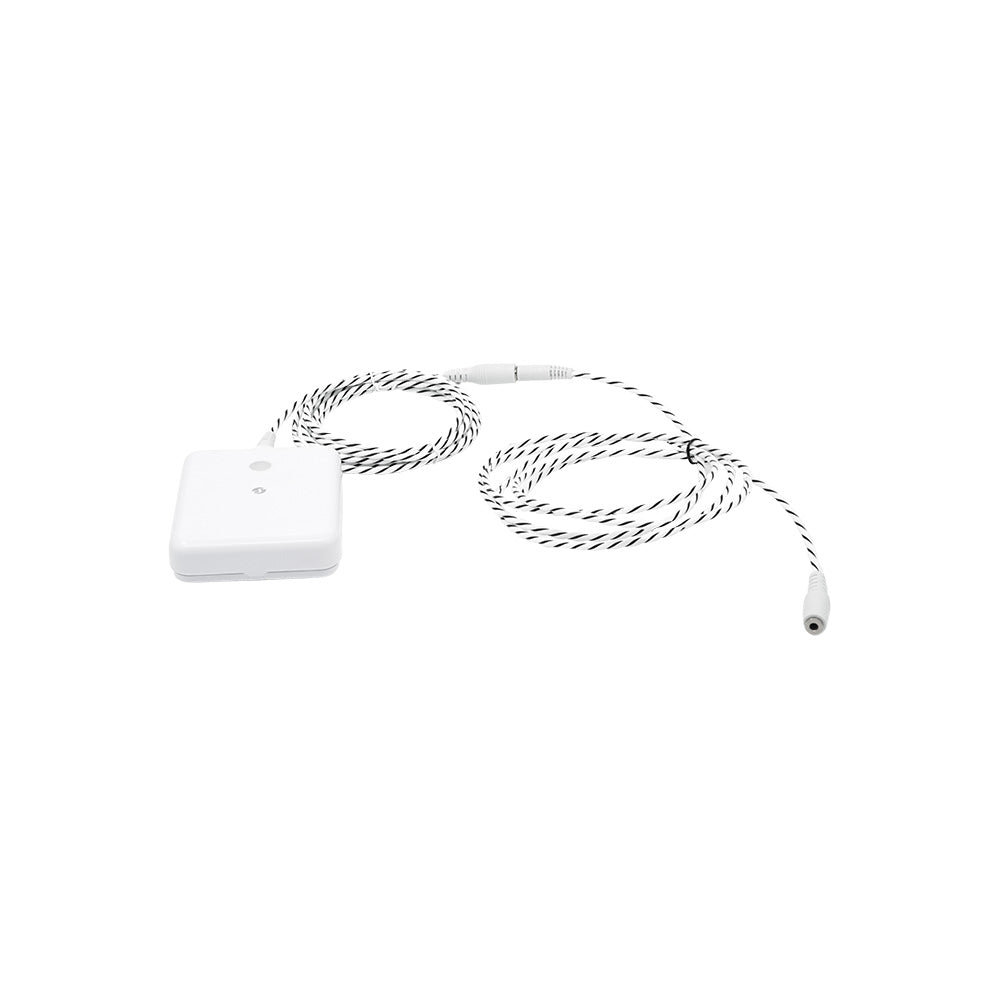
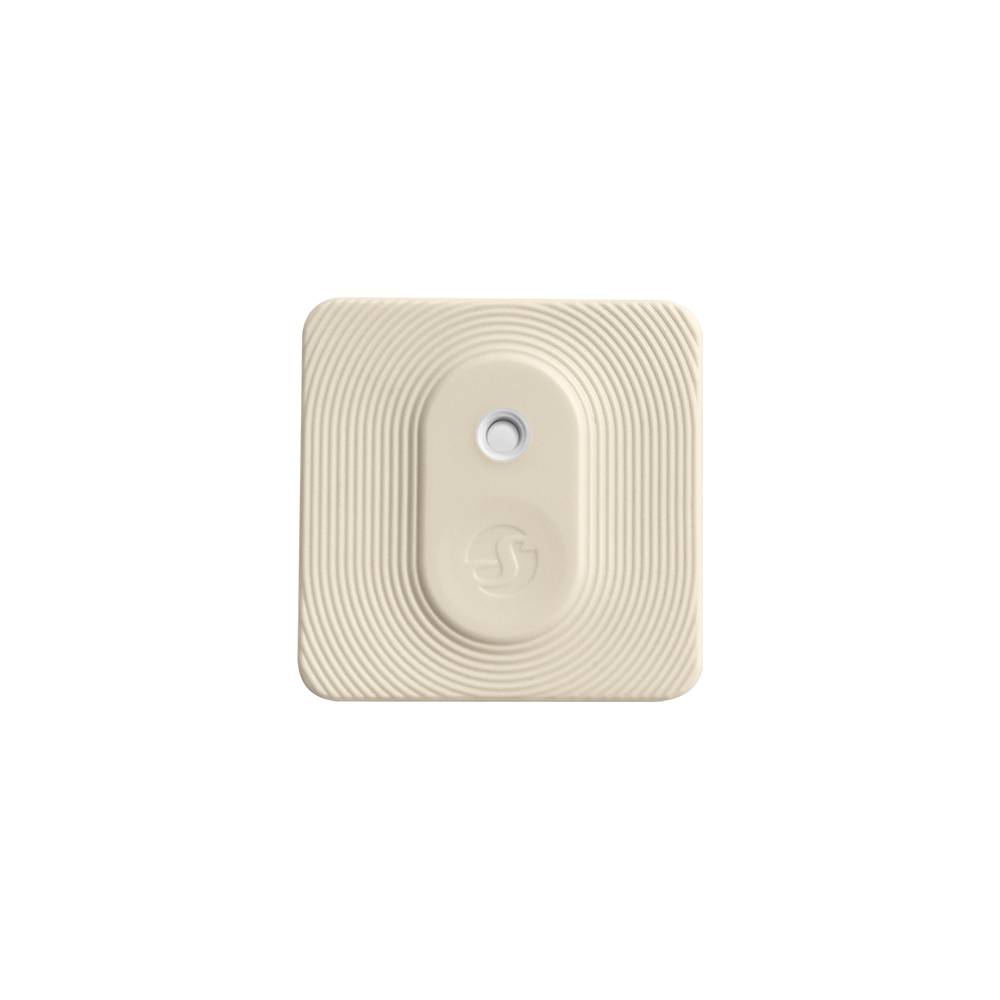
All three are made by Shelly, run on batteries, and report to the same free app over your home Wi-Fi. Nothing is wired. The floor sensor sounds on its own if the Wi-Fi is down.


Speaks Matter, Zigbee 3.0, Z-Wave, Bluetooth and Wi-Fi, so it also joins whatever you already run.
What a leak costs against what watching for one costs
A floor sensor for under the sink, a length of sensing cable for the hose run behind the washing machine, and a humidity sensor for the wall that gets damp before it gets wet. The cable bracket comes with it. 72.60 EUR against 82.50 bought separately.
Pick the colour of the humidity sensor above. The shut-off valve is offered on the next page, for when you want the water stopped, not just reported.
"Working wery well. I had some water on the floor and it imidiently started beeping."
"Alles gut"
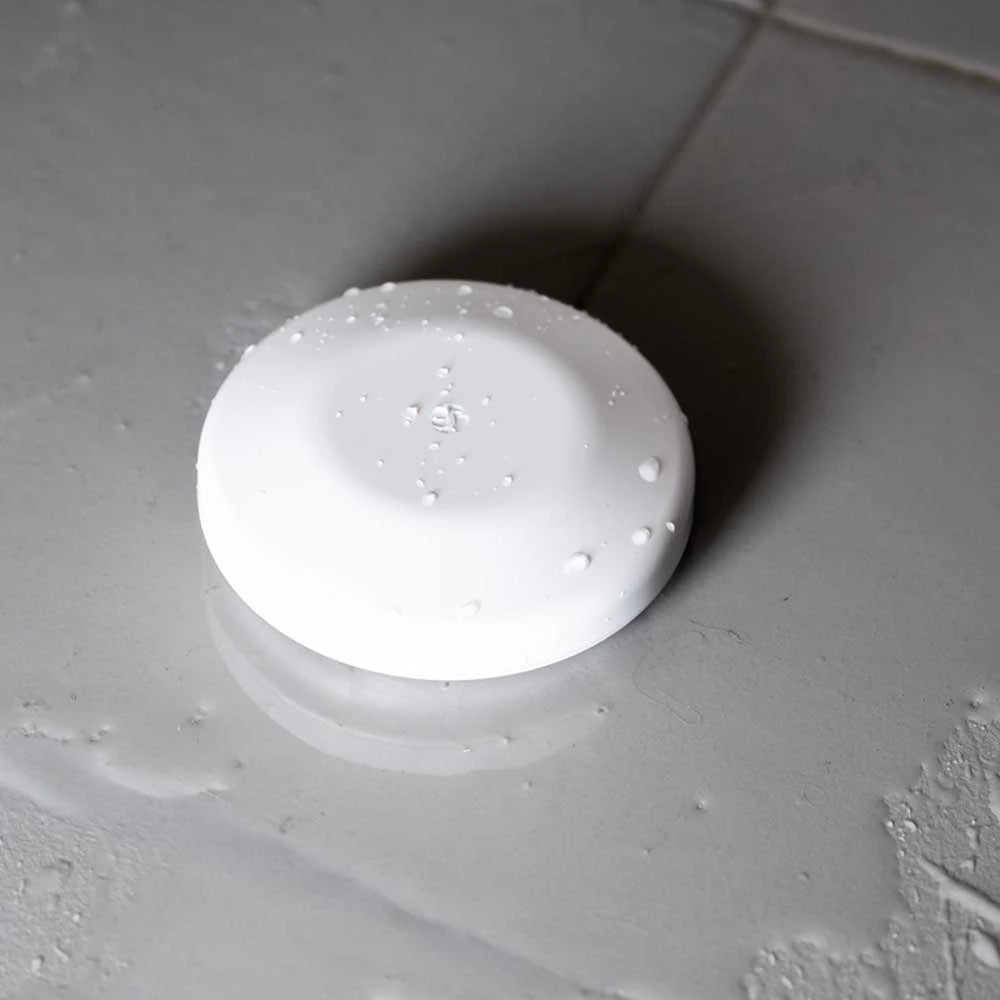
"I use it to monitor at the ends of my irrigation pipe (drip irrigation) to see if it actually gets wet at the specified time, and that works perfectly. In the event of a leak, it would remain dry and there would be an alarm. I works great!"
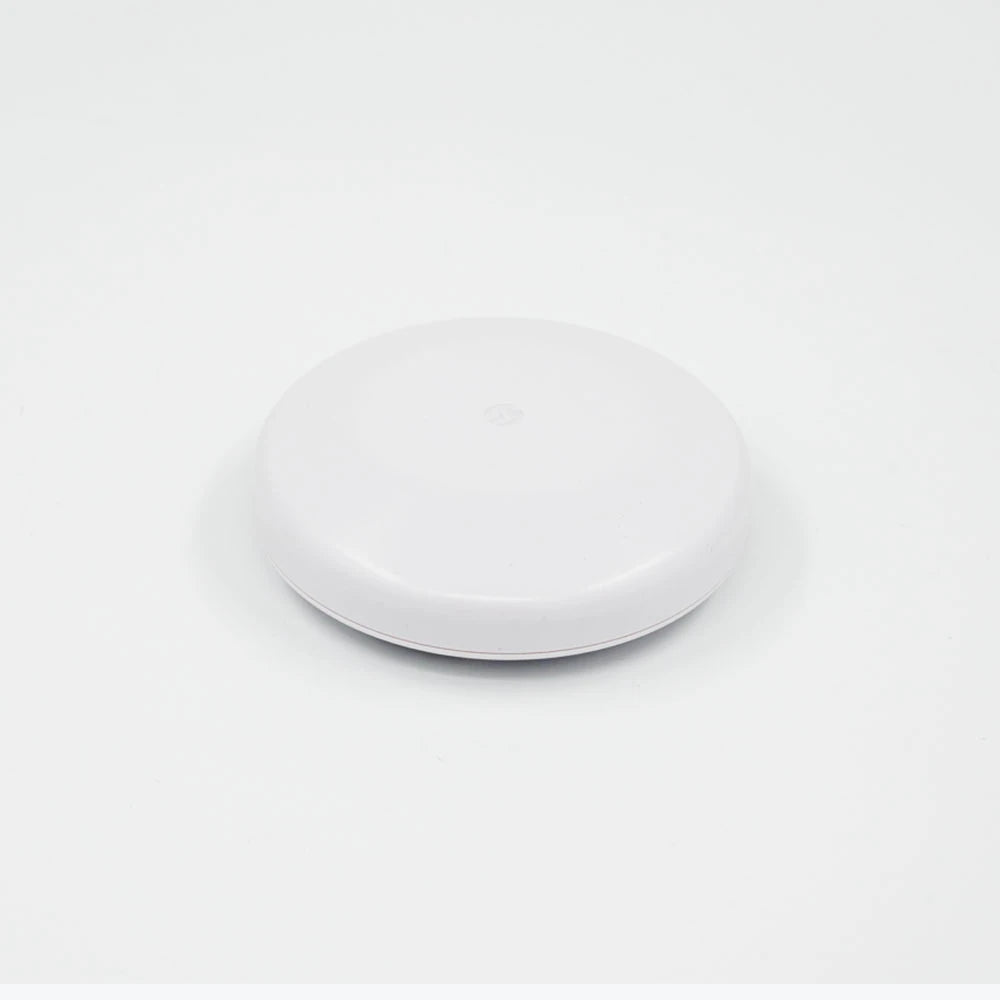
"After owning a Shelly Flood Gen 4 (the one with the sensor "tail") I decided to give the Flood S Gen 4 a try. Installation/setup was a breeze and I really like the fact that you can put it underneath almost any type of furniture even washing machines to it's completely unvisible."
"Reactivity in the shelly app not so perfect Good via MQTT through a domotic box"
"Extra length very useful for extending the monitoring area."
Four stars and below are left in. The cable has the weakest score of the three on the store, and the complaint is the plug where it meets the sensor. Push it home until it clicks and clip the cable so nothing pulls on it. That is what the brackets in the kit are for.